
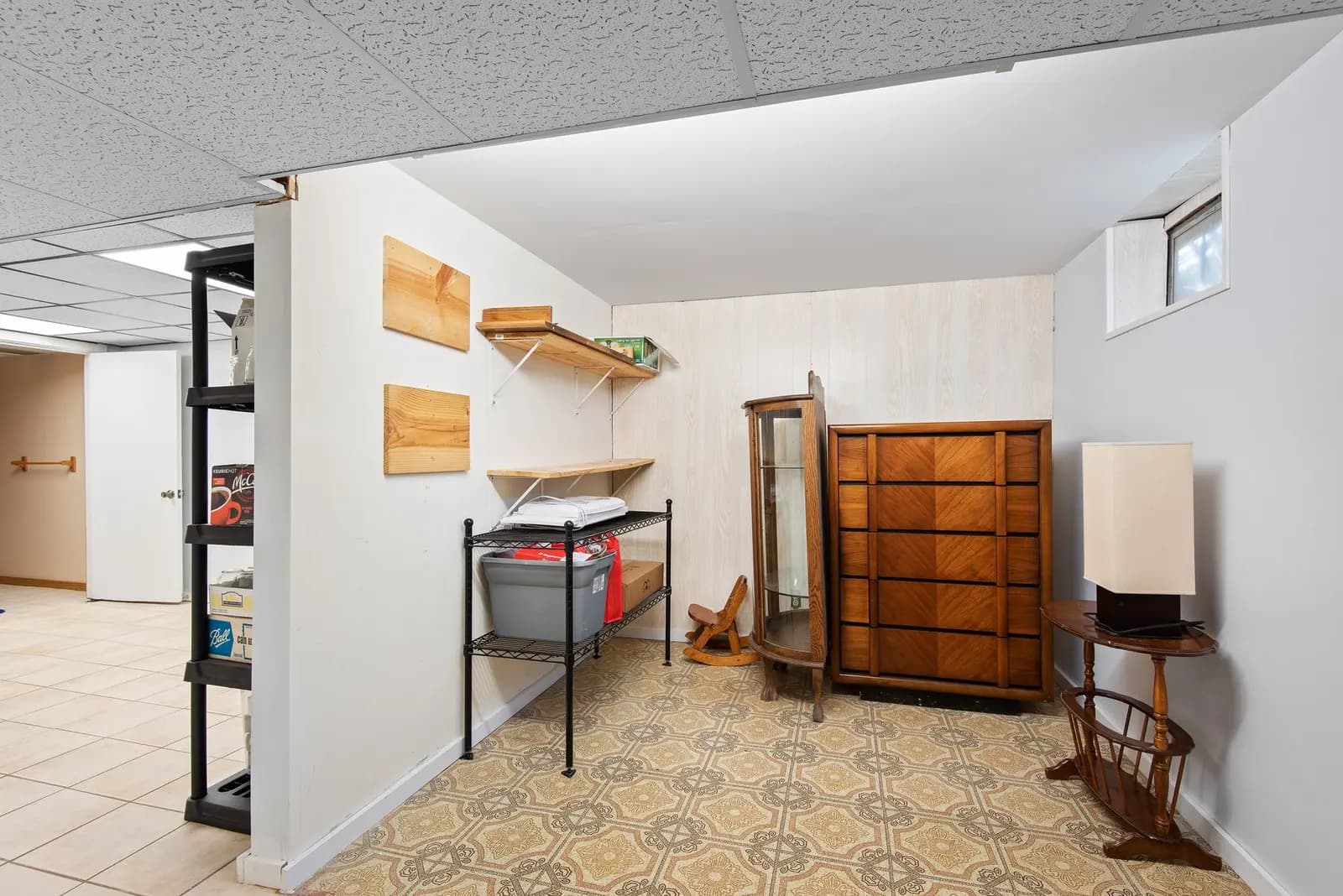
An inherited chest of drawers, a sofa that is too big, a wardrobe that no longer fits the new home. Before throwing everything away, ask yourself: can this piece have a second life? Here is how to decide, simply.
1. Assess its condition
Three questions are enough:
- Is it sturdy and clean? No mould, no woodworm, no lingering smell.
- Is it complete? Drawers, doors, handles, legs.
- Is there demand for it? Solid wood, quality pieces and antiques find buyers more easily than damaged chipboard.
2. Selling it
For furniture in good condition, selling privately is usually the most rewarding option. Photograph it in daylight, give the dimensions, mention flaws honestly and state that it must be collected. For antique or period pieces, an opinion from an antique dealer or auctioneer can stop you from letting them go too cheaply. Classifieds, flea markets and second-hand shops are the usual routes.
3. Giving it away
Clean, working furniture often interests charities or individuals. Contact the organisation first: some collect, others ask you to drop off, and all have criteria (condition, size, no used bedding…). Neighbourhood giveaway groups also work well, provided it is clear that collection is the taker's job.
4. Having it taken back
When you buy new furniture, many shops offer to take the old one away on delivery, sometimes free of charge. Ask before you order. The piece must usually be of the same type as the one you buy.
5. Recycling it
If it is broken or unsellable, it must be recycled. At the recycling centre it goes into the furniture skip, so wood, metal and padding can be recovered. Never leave it on the street: that is fly-tipping and can lead to a fine.
6. When it is too heavy or there is too much
If you have a lot of furniture, a property to empty quickly, or heavy pieces to carry down from an upper floor, taking help from a professional is often the simplest solution. They sort, donate or recover what they can, and remove the rest through the proper channels. To compare the options, read our article recycling centre or clearance company.
What not to forget
- Empty the furniture: drawers, false bottoms, sofa pockets. Papers or valuables often hide there.
- Dismantle what you can: it makes transport easier.
- Protect floors and walls during removal.
- Think about bedding: used mattresses are rarely accepted by charities.
A term unclear? See our clearance and moving glossary, or find out how a job works.
Frequently asked questions
Can I donate a used sofa?
Is my old furniture worth anything?
What should I do with broken furniture?
What should I do with a mattress?
Too much furniture to remove?
We take furniture you no longer need, sorting and recovering what can be reused. Free visit and quote.