
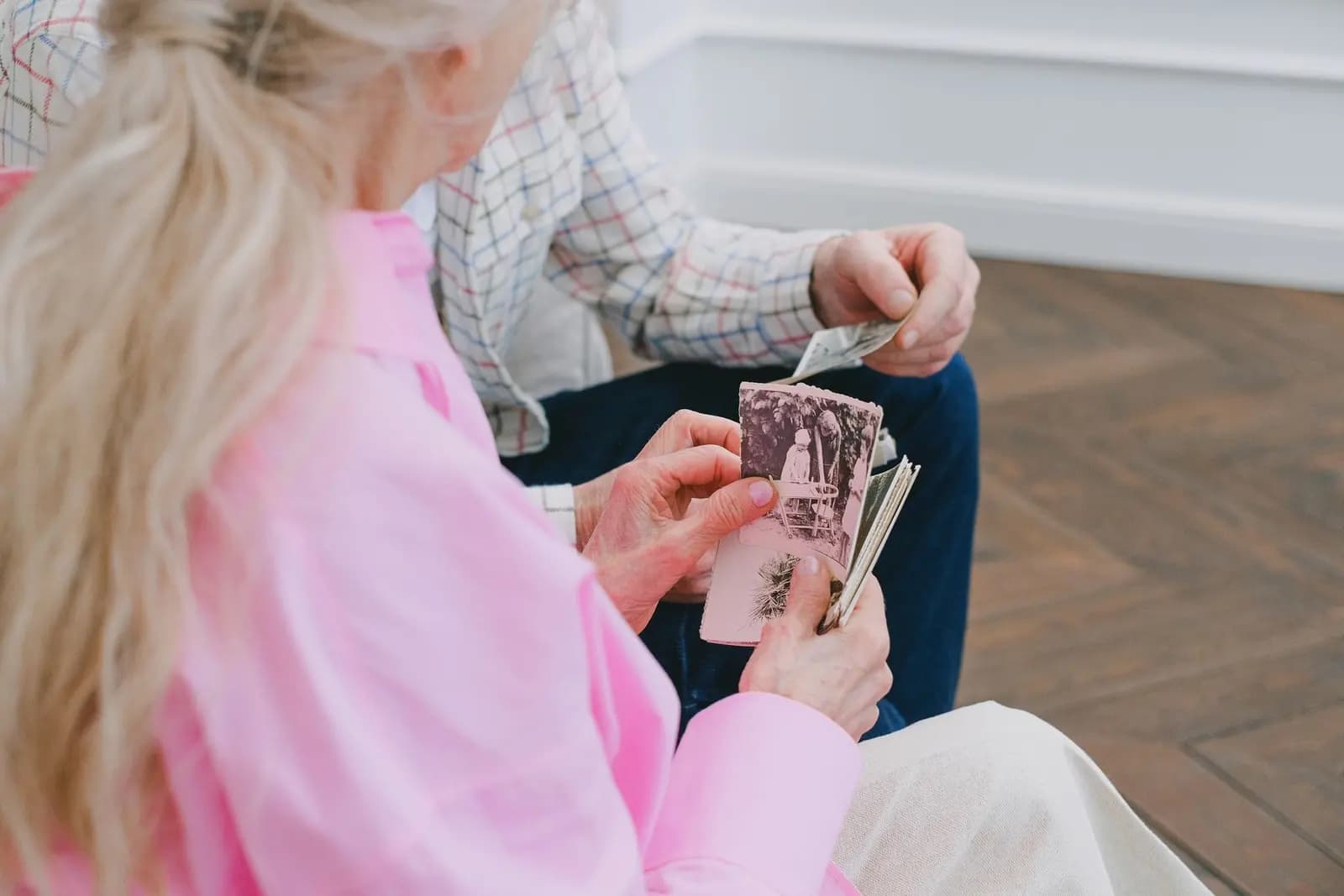
Losing a loved one is hard. Yet, often within a few weeks, someone has to deal with their home: sort it, empty it, hand it back or sell it. This guide helps you move forward step by step, without rushing and without forgetting anything important. It describes the situation in France (Alsace).
1. Take your time before you start
There is no need to empty everything in a hurry. First, set the framework:
- Contact the notary handling the estate. They will tell you what can be done and when.
- Agree among the heirs before selling, giving away or throwing out anything. Some acts of disposal can have legal consequences: ask the notary before acting.
- Check the calendar: for a rented home, the notice period and key handover; for a property on sale, the viewings. Rent or charges that keep running may justify moving faster.
2. Take stock and take photos
Before moving anything, photograph every room and note valuable items (jewellery, paintings, silverware, collections, old books, instruments). The photos help with sharing among heirs, with insurance and with any valuation.

3. Sort into four categories
To avoid the “mountain” effect, divide items into four groups:
- Keep: keepsakes, photos, things that matter to the family.
- Share among heirs: furniture, jewellery, valuables.
- Donate or sell: clothes, linen, crockery, furniture in good condition.
- Throw away or recycle: worn items, broken appliances, papers of no interest.
A tip: start with the rooms that carry the least emotion (cellar, kitchen, garage) and leave bedrooms and keepsakes for last. Keep a “decide later” box too: nothing forces you to decide everything at once.
4. Find and keep the important papers
Before throwing anything away, go through the documents: ID, family record book, property deeds, contracts (insurance, energy, phone, subscriptions), bank statements, official mail, any will. Keep them in a folder and give the notary what they ask for. Remember to have the mail forwarded.
5. Have valuable items appraised
Paintings, jewellery, old books, collectibles, antique furniture: if in doubt, have them appraised before giving or selling, by an expert or an auctioneer. Also digitise family photos and documents: they will be easy to share.
6. When to call a professional
Clearing the home yourselves is possible, but often slow and draining. A professional helps when:
- the home is large, cluttered (cellar, attic, garage) or hard to access;
- the heirs live far away or are short of time;
- the property must be vacated quickly (sale, end of lease);
- the emotional load makes the task too heavy.
With Débarras Fischer, it works like this: a free visit to assess volume and access, a written quote reflecting your priorities (keep, donate, recycle), sorting and removal carried out discreetly, recovery where possible (donation, recycling), then final cleaning and handover of the keys. If the property includes a cellar or attic, everything is handled in one visit.
7. How much time should you plan?
It depends on the volume, the access and the amount of sorting. A visit lets us estimate the duration precisely and plan a date that suits you, in coordination with the notary if needed.
8. Look after yourself
Sorting a loved one's belongings stirs up emotions. Allow yourself breaks, share the task with family and do not hesitate to ask for help: handing over the logistics lets you focus on what matters.
Quick checklist
- Contact the notary and agree among the heirs
- Photograph every room and list valuable items
- Gather the important papers in a folder
- Sort: keep, share, donate/sell, throw away
- Have possibly valuable items appraised
- Request a quote from a professional if needed
- Clean and hand over the keys
A term unclear? See our clearance and moving glossary, or find out how a job works.
Frequently asked questions
Can you empty the home before speaking to the notary?
Who pays for the clearance?
Do I need to be present during the work?
What happens to the items removed?
Need support?
Débarras Fischer discreetly empties and cleans a loved one's home, working with the family and the notary. Free visit and quote.